How to Plan and Book Rifugios for Hiking the Alta Via 4
The Alta Via 4 is one of the most breathtaking hut-to-hut treks in the Italian Dolomites. Known for its dramatic limestone peaks, challenging via ferrata sections, and stunning alpine rifugios, the AV4 is not just a hike…it’s an incredible Italian adventure. But before you lace up your boots, you’ll need to do some serious planning, especially when it comes to booking your rifugios.
If Alta Via 4 is more than just a dream and you actually want to execute it well, I’ve released my complete Dolomites Hiking & Alta Via 4 Guide. It lays out the full 10–14 day plan we followed — from acclimation, hotels, AirBnb we booked, flight/travel ideas, and rifugios to via ferrata sections and linked hikes, so you can move forward with clarity instead of guesswork: https://www.fr33water.com/presets-guides1/p/alta-via-4-complete-dolomites-guide2026
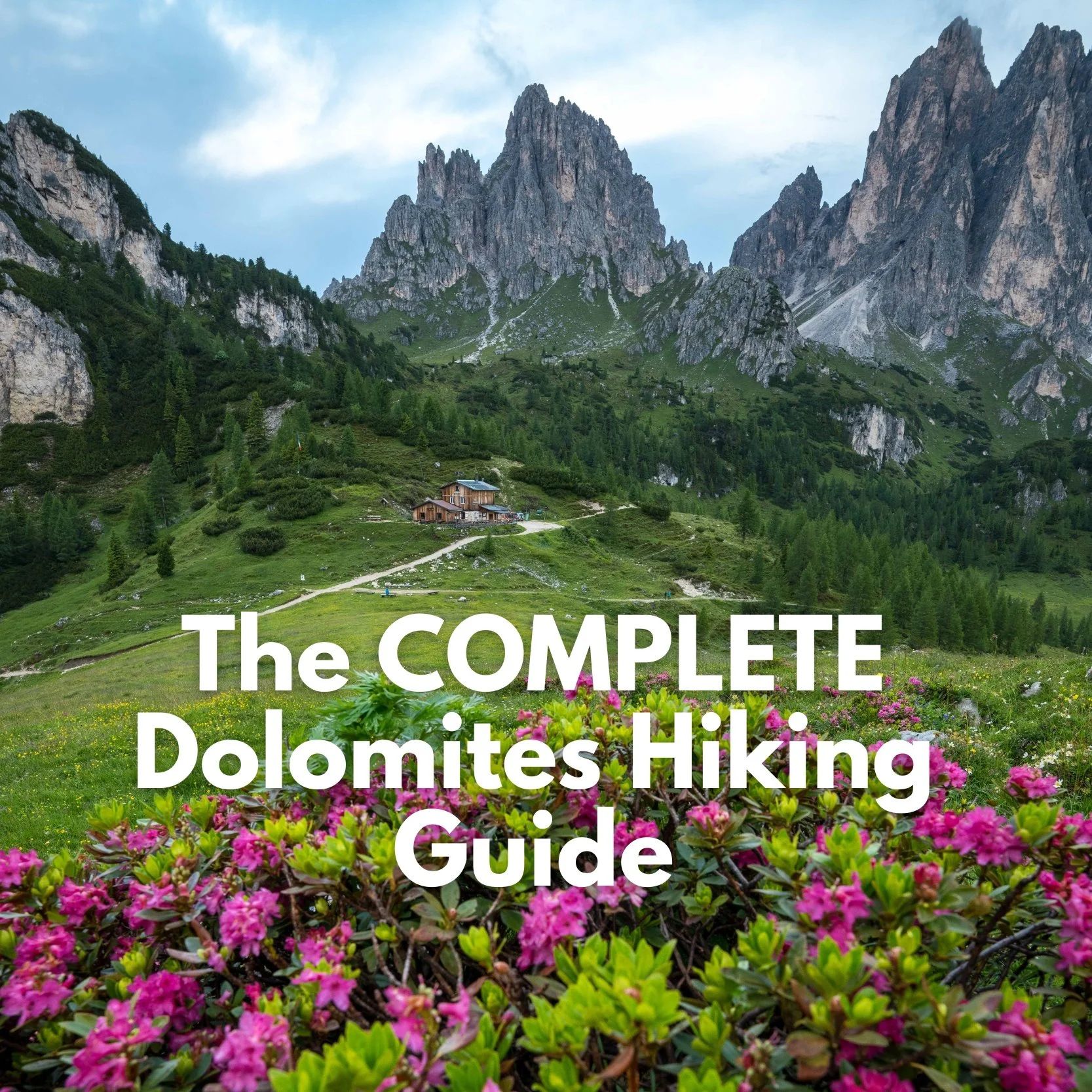
Complete Dolomites Hiking & Alta Via 4 Guide (27 page hiking guide)
This is not just an another Alta Via 4 overview …it’s a fully built, field-tested 14-day Italian Dolomites hiking & photography blueprint.
Inside, you’ll find our exact Alta Via 4 route breakdown (day-by-day mileage, elevation, ferrata notes, and honest difficulty insights), plus strategic acclimation days in Innsbruck and Northern Italy (Gudon). We show you how to prepare properly before stepping onto the trail because that matters.
Beyond the Alta Via 4, this guide links together the best hikes in the Dolomites before and after the trek: Seceda, Lago di Braies, Alpe di Siusi, and more complete with direct AllTrails links, exact accommodation recommendations, rifugio booking resources, via ferrata guidance, and restaurants actually worth your time.
📩 Instant Download — just enter your email, payment details and get the guide sent straight to your inbox.
This is a complete itinerary not just scattered blog posts.
Not generic advice. Not recycled Google searches.
It’s the exact framework we used to execute one of the most demanding and rewarding hikes in the Italian Dolomites.
If you’re serious about hiking Alta Via 4 and exploring the Italian Dolomites and doing it right…this guide removes the guesswork. A one–to–two week, intentionally built hiking, photography and adventure itinerary for the Italian Dolomites
The Dolomites are dramatic, demanding, and unforgettable; but only if you approach them with intention. This guide was built for hikers and photographers who want more than a checklist of trails. It’s for those who care about pacing, presence, and earning the experience — not rushing through it.
Inside, you’ll find a complete 1–2 week itinerary that blends:
Mellow acclimation hikes
Iconic Dolomites landscapes
A 5–7 day Alta Via 4 thru-hike
Recovery and exploration days after the trek
Every section is designed to flow — physically, mentally, and creatively.
This is the exact framework we used to experience the Dolomites ourselves.
What You’ll Get
• A flexible 10–14 day Dolomites itinerary
• Pre–Alta Via hikes near Seceda, Gudon and Alpe di Siusi
• A complete Alta Via 4 breakdown (logistics, terrain, via ferrata expectations)
• Post–trek recovery and exploration days
• Direct links to AllTrails, rifugios, cable cars, and resources
• Photography-minded insights and what you’ll see each day
Who This Guide Is For
This guide is for you if:
You want to hike the Alta Via 4 but don’t want to rush into it
You want to hike MORE than just the AV4, and want to see other locations in the Dolomites
You value storytelling, photography, and experience over speed
You want a realistic plan that respects your body and the terrain
You prefer earned moments over just Instagram checklists
You feel overwhelmed when approaching the planning phase of how to hike and explore the Dolomites
This guide is not a technical mountaineering manual and it’s not meant to be. You accept any and all risks associated with these adventures… but we are responsible for how incredible your trip is about to be as a result of grabbing this guide.
Here’s the thing: the Dolomites deserve more than a drive-by itinerary… most guides overwhelm you with info and push you towards unrealistic itineraries. This guide does neither. Instead, we focus on:
Progressive difficulty & Intentional rest days
Mental and physical acclimation & Context, not just coordinates
By purchasing this hiking guide, you’re joining our email list so we can keep you in the loop about new hiking guides, digital products, and future releases. No spam; just real adventure updates. You can unsubscribe anytime.
**Please do not share this guide with anyone who did not purchase it, we pumped hours into creating this guide, please support our future guides by encouraging others to check it out and pick one up!
Any issues downloading or accessing the guide? DM me on Instagram Or email me directly at: fr33water@gmail.com
How to Plan the Alta Via 4
In this post, I’ll walk you through how to plan and book accommodations, what “half board” means, and share our full 7-day itinerary. If you want even more details, check out my latest YouTube video where I break down every step of our journey.

Key Stats: Alta Via 4 at a Glance
Distance: ~85 km (53 miles)
Elevation Gain: ~5,000 m (16,400 ft)
Duration: 6–7 days on average
Via Ferrata Sections: Multiple, including exposed traverses—proper gear and experience are essential
Difficulty: Moderate to difficult; best suited for experienced hikers comfortable with technical terrain
Alta Via 4 Map!
Getting There
Our journey started in the U.S., flying from Denver International Airport to Frankfurt, Germany, before connecting to our final destination in Innsbruck, Austria. From there, we rented a car and crossed into Italy. We spent a few days warming up on smaller local trails before starting the Alta Via 4. This gave us a chance to acclimate, rest, and enjoy the Dolomites before tackling the longer trek. I am in the process of building a more complete guide to Hiking and Exploring the Italian Dolomites, stay tuned for that which outlines where and what we hiked before heading out on the Alta Via, like seeing the lake below, Lago Di Braies also known as Pragser Wildsee in the Prags Dolomites in South Tyrol, Italy.


Booking Rifugios: Why It’s Tricky
Unlike hotels, rifugios (mountain huts) are each managed individually. That means:
You’ll need to book each rifugio separately.
Reservations are typically made by sending an email request to the address listed on the hut’s website.
Some rifugios respond quickly, while others may take several days.
The challenge? You need to line up your bookings perfectly for each night of the trek. If one hut is fully booked, it can throw off your entire itinerary. That’s why starting early is so important.
Half Board vs. Full Board Options (when available)
When booking, you’ll often see the terms half board or full board:
Half Board (Mezza Pensione): Includes dinner, breakfast, and your overnight stay. This is the most popular option and usually the best value.
Full Board (Pensione Completa): Includes dinner, breakfast, and a packed lunch. Great if you want meals covered, but not always necessary since many huts sell sandwiches or you can carry trail snacks. We often carried snacks, cured meats, cheese, baguettes and snack bars we brought with us from the states.
We opted for half board at most rifugios, which made planning simpler and guaranteed hearty meals after long hiking days. They provide HEFTY portions of food, and often times (even as Americans) we would look around wondering if everyone else had finished their meals… big dinners, so bring your appetite.

Our Alta Via 4 Itinerary
Here’s the route we followed, with each rifugio we booked along the way, we did our hike in early July and the conditions were immaculate:
Day 1 (7/4): Rifugio Locatelli
Day 2 (7/5): Rifugio Fonda Savio
Day 3 (7/6): Rifugio Città di Carpi
Day 4 (7/7): Rifugio Vandelli
Day 5 (7/8): Rifugio San Marco
Day 6 (7/9): Rifugio Antelao
Day 7 (7/10): Back into town → two bus rides → rental car
For booking convenience, I’ve put together a free digital download with direct links to each rifugio we stayed at, plus my favorite maps and blogs that helped us prepare.
👉 Grab my free PDF guide below, makes planning your AV4 easier, links to all rifugios inside, map resources and more:
![Alta Via 4 Free Guide [sold out]](https://images.squarespace-cdn.com/content/v1/52424915e4b08b05e59ca94f/940e7c32-59a3-4045-a896-bf94eda237b0/Digital+Product+Thumbs.png)
[Sold Out]Check out the complete hiking guide… we’ve discontinued the free guide!
Support creators like me by buying the full guide for $6
Free PDF: Planning Your Alta Via 4 Trek in the Dolomites
Dreaming of hiking Italy’s Alta Via 4 but don’t know where to start?
This FREE PDF guide is your shortcut to planning one of the most epic multi-day treks in the Dolomites. This guide goes with my latest YouTube video: How To Plan and Hike the Alta Via 4
Inside, you’ll find:
✅ A full list of rifugios along the Alta Via 4 (with clickable links for easy booking)
✅ My favorite blog resources + insider tips to help you plan your trek
✅ Key info about routes, travel logistics, and what to expect on the trail as well as what maps you’ll need to purchase when you arrive in Italy
Whether you’re planning your first European trek or adding another route to your list, this guide will save you hours of research and get you on the trail with confidence.
**When you download this free guide, you’re joining our email list so we can keep you in the loop about new hiking guides, digital products, and future releases. No spam—just real adventure updates. You can unsubscribe anytime.
Be Prepared for Via Ferrata Sections
The Alta Via 4 is not just a long-distance hike—it includes exposed via ferrata (iron path) sections. These are routes with steel cables, ladders, and fixed anchors that require a helmet, harness, and via ferrata lanyard. The via ferrata (or “iron paths”) were first constructed during World War I in the Dolomites, including along ridgelines that the Alta Via 4 now follows, to help soldiers transport supplies and move troops across treacherous cliffs. These wartime routes, equipped with fixed steel cables and ladders, have since been preserved and adapted for recreational use. Today, local alpine clubs such as the Club Alpino Italiano (CAI) inspect and maintain the routes, ensuring their safety for hikers tackling trails like the AV4. By following these historic paths, modern trekkers experience not only breathtaking alpine scenery but also a direct connection to the region’s dramatic wartime history.
If you’ve never done a via ferrata before, I recommend gaining experience on shorter routes beforehand. These sections add excitement but also significantly increase the difficulty.

Final Thoughts & Helpful Links
Hiking the Alta Via 4 was one of the most rewarding experiences of my life—but it wasn’t without challenges. Booking rifugios took patience, (so grateful to my wife for having the patience) and the via ferrata sections required focus, grit and preparation. When asked “What’s your favorite place you’ve ever hiked?” and keep in mind I’ve hiked in over a dozen different countries… the Italian Dolomites constantly land in first place, including this journey along the Alta Via 4.
If you’re dreaming about the Dolomites, make sure you plan ahead, book early, and research your gear. For a deeper dive into the trip, check out my YouTube video where I walk through logistics, planning tips, and what to expect each day.
And don’t forget to grab my free AV4 Rifugio Booking Guide to make your planning even easier!
Additional Resources
In a Far Away Land: Alta Via 4 Guide (one of the most helpful blogs we used, including her map, linked above)